
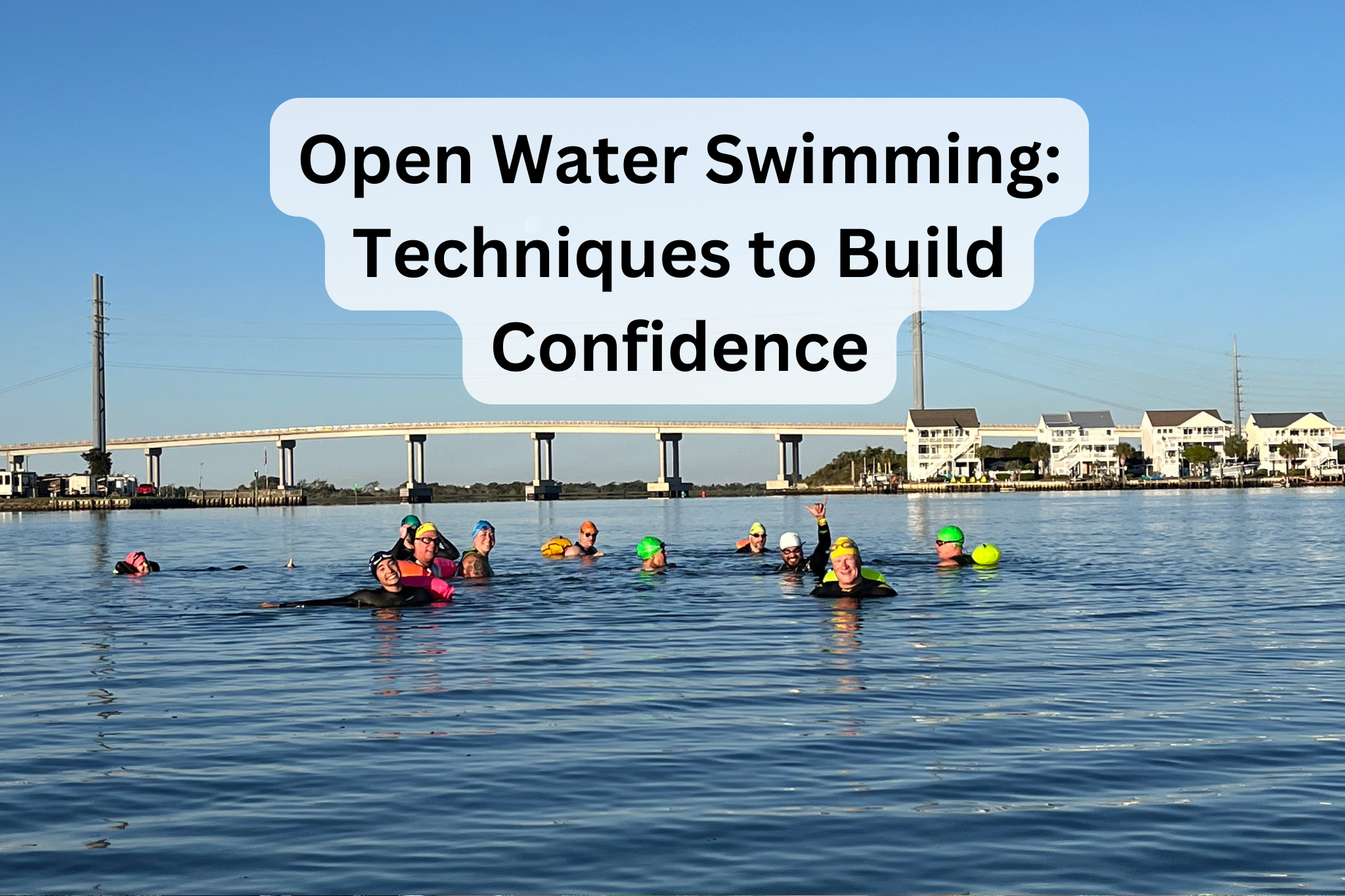
Open Water Swimming: Techniques to Build Confidence
For many triathletes—especially beginners—the swim leg brings the most nerves. Pools have clear water, lane lines, and walls to rest on. Open water? Not so much. But here’s the truth: you can become a confident open water swimmer. It just takes time, preparation, and a few smart strategies. 🌊💪
If you’re tired of feeling panicked, short of breath, or like you’re surviving instead of thriving in the open water, these techniques are for you.
Building confidence takes time and consistency—and having a simple plan can make that process a lot less overwhelming.
🧠 Start With Your Mindset
Confidence begins before you hit the water. The more you normalize the experience in your mind, the less power fear will hold over you.
- Visualize calm, confident swims before bed or race day.
- Practice positive self-talk: “I am safe. I am capable. I am in control.”
- Remind yourself that open water skills can be learned—just like biking or running.
🏊 Practice in Open Water Often
Nothing builds confidence like exposure. The more time you spend in open water, the more familiar it becomes. If possible, add a weekly open water session to your routine—even short swims help.
- Swim with others when possible (never alone!).
- Focus on rhythm, breathing, and staying calm—not speed.
- Practice sighting and turning around buoys in a stress-free setting.
🧰 Use the Right Gear
Confidence grows when you’re comfortable.
- A well-fitted wetsuit can keep you buoyant and warm.
- Bright swim caps and swim buoys increase visibility (and peace of mind).
- Consider anti-fog goggles and tinted lenses for clarity in different conditions.
🧭 Have a Plan for Panic
Even experienced swimmers have moments of anxiety. What matters is how you respond.
- Flip onto your back to float and breathe deeply.
- Tread water until you regain control.
- Sight for a kayak, buoy, or lifeguard if available.
Every time you get through a moment like this, your confidence gets stronger. 🔥
Struggling to feel confident in the water? You’re not alone.
Open water swimming is one of the biggest mental hurdles for beginner triathletes—but it’s something you can improve with the right approach.
If you want a simple, step-by-step way to build confidence without overwhelm, I created a plan specifically for this:
💬 Final Words
Confidence in open water doesn’t happen overnight—but it does happen. Be patient with yourself, show up consistently, and celebrate your progress.
The more you train your body and mind, the more you’ll trust yourself out there.
You’ve got this. 🏊♀️✨
Frequently Asked Questions About Open Water Swimming Confidence
How do I get over fear of open water swimming?
Fear of open water swimming is very common, especially for beginner triathletes. The best way to overcome it is to start small, practice consistently, and focus on building comfort before speed. Structured sessions and gradual exposure help reduce anxiety over time.
Why is open water swimming harder than pool swimming?
Open water swimming can feel harder because there are no walls for rest, visibility is limited, and conditions like waves or currents can add stress. It also requires more mental focus, especially for navigation and staying calm.
How long does it take to feel comfortable in open water?
This varies for each athlete, but most beginners start to feel more comfortable after a few consistent weeks of practice. The key is regular exposure and building confidence gradually rather than trying to rush the process.
What should I do if I panic during an open water swim?
If you start to feel panic, stop forward motion, float on your back or tread water, and focus on slow, controlled breathing. Taking a moment to reset can help you regain control and continue safely.
Do I need to practice in open water to get better?
Yes. Pool swimming builds fitness and technique, but open water practice is important for confidence, comfort, and learning how to handle real race conditions.
Is there a beginner swim plan to help build confidence?
Yes. A structured, beginner-friendly plan can help you build confidence step by step without feeling overwhelmed. If you’re not sure where to start, a simple progression can make a big difference in how you feel in the water.
Leave a Reply