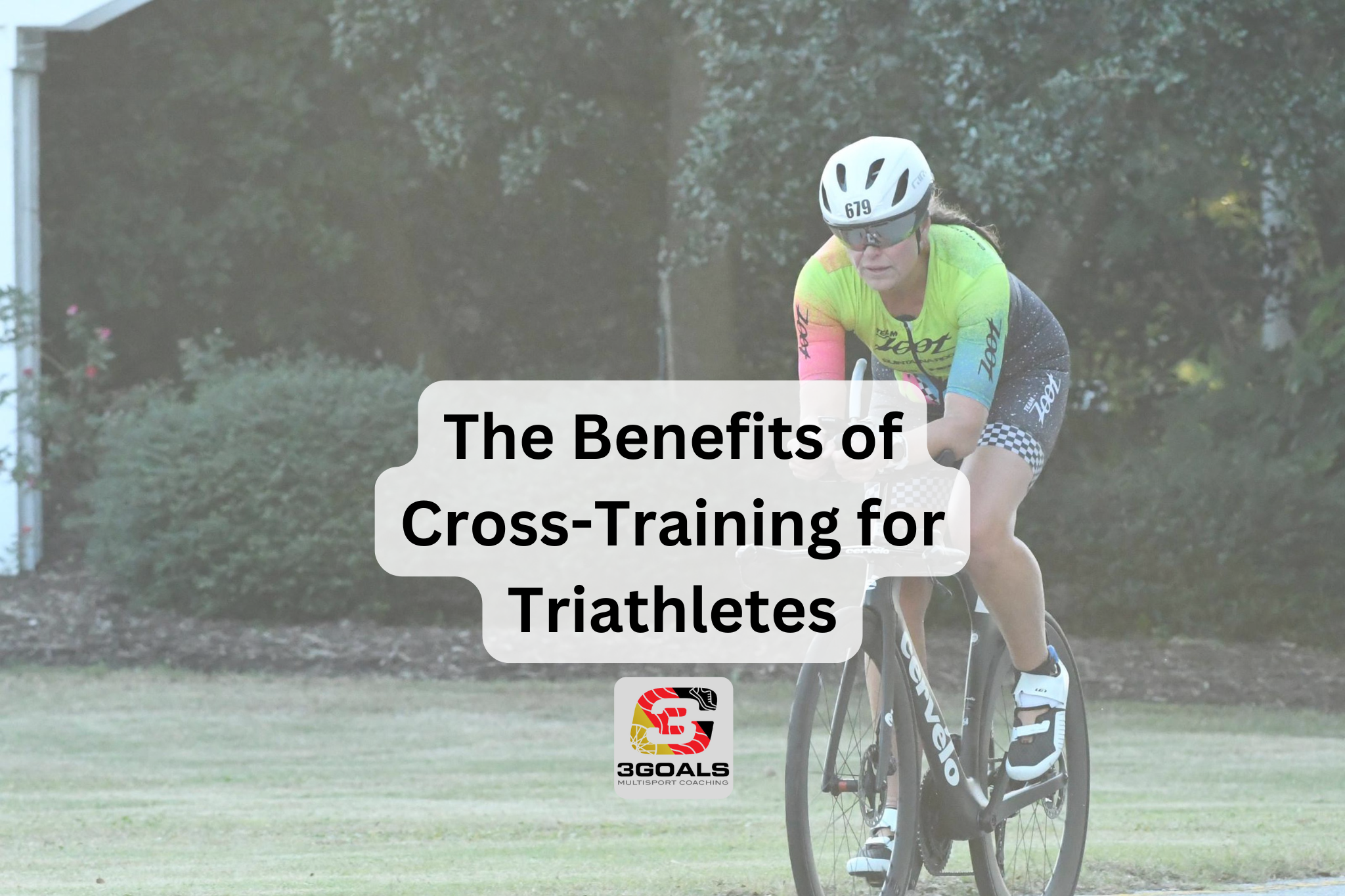
The Benefits of Cross-Training for Triathletes
When you’re juggling three sports already, the idea of adding more might sound… well, excessive. But what if that “extra” actually helps you recover faster, stay injury-free, and improve your performance? That’s the power of cross-training.
Cross-training involves integrating different types of physical activity into your training routine—often outside the swim, bike, run trio. And while it’s tempting to think triathletes already “do enough,” the truth is, smart cross-training can fill in the gaps that traditional training leaves behind.
Let’s break down how and why cross-training works—and how to do it right.
💡 What Is Cross-Training (and What Counts)?
In a triathlon context, cross-training means any structured movement that supports your primary sport goals, without directly mimicking swim, bike, or run workouts. Common cross-training activities include:
- Strength training
- Yoga or Pilates
- Hiking or elliptical workouts
- Rowing or cross-country skiing
- Mobility work or stretching routines
- Water running or aqua jogging
According to TriDot, these non-sport-specific sessions can be used to “enhance performance and accelerate recovery when prescribed strategically” (source).
✅ 6 Benefits of Cross-Training for Triathletes
1. Injury Prevention
Repetitive motion injuries are common in endurance sports. Cross-training balances muscle usage and allows overused joints (especially knees, hips, and shoulders) to rest without being inactive.
2. Enhanced Recovery
Low-impact cross-training like yoga, swimming, or easy cycling flushes out lactic acid and promotes circulation without taxing your nervous system or adding fatigue.
3. Improved Strength and Stability
Strength training, especially core and functional movements, supports better posture, power transfer, and injury resistance in all three disciplines.
4. Mental Break and Motivation Boost
Adding variety helps avoid burnout. Mentally recharging with a new activity can reignite your enthusiasm for structured training.
5. Better Athleticism
Triathletes who engage in different forms of movement improve their agility, flexibility, and neuromuscular control—traits often underdeveloped in traditional SBR-only training.
6. Extended Longevity in the Sport
A more balanced body means fewer forced breaks due to injury or burnout. That means more seasons of consistency—and more opportunities to chase your goals.
🔁 How to Incorporate Cross-Training the Smart Way
Cross-training shouldn’t replace key workouts unless you’re recovering from injury. Instead, use it intentionally:
- 💪 Strength: 1–2x/week, focusing on compound movements, core, and functional strength
- 🧘 Mobility/Flexibility: Add 10–20 minutes post-workout or as a stand-alone active recovery
- 🚶♀️ Cardio Alternatives: Use hiking, elliptical, or rowing to supplement easy days or build aerobic capacity without impact
- 🏖️ During Recovery Weeks or Vacation: When you can’t swim, bike, or run—cross-train instead of skipping movement altogether
⚠️ A Word of Caution
Not all cross-training is beneficial. High-intensity HIIT classes, plyometric workouts, or long sessions in a new sport can add fatigue and interfere with recovery. Cross-training should support—not sabotage—your primary training goals.
🏁 Final Thought
Cross-training isn’t “extra credit”—it’s a strategic tool to improve your durability, efficiency, and enjoyment in the sport. The best triathletes don’t just swim, bike, and run. They train smart, build strong, and stay consistent.
Want to level up your training with smarter support? Cross-training might be your secret weapon.
Leave a Reply